
Ending the Madness: McKenzie's Move to Defund Superfans and Save SA Sports
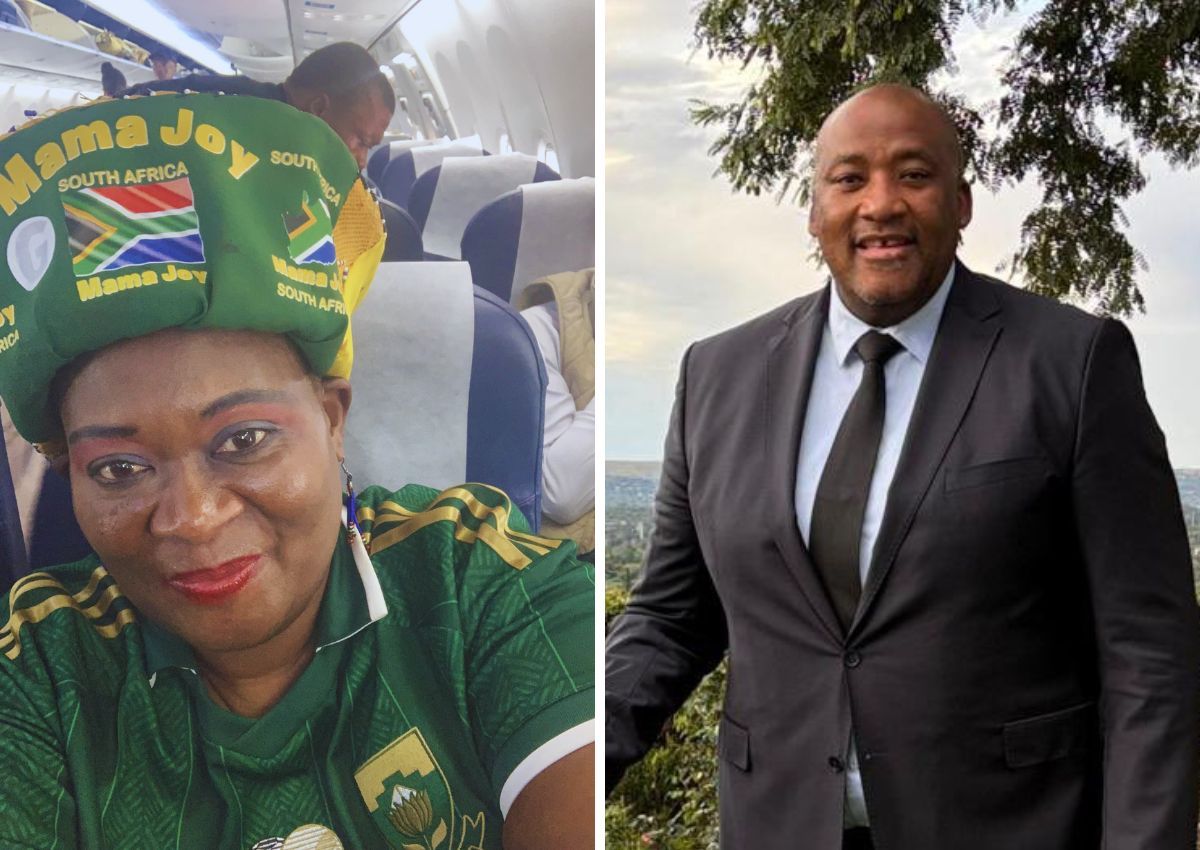
For years, South Africans have watched familiar faces in the crowds of international sporting events. Figures like Joy "Mama Joy" Chauke and Botha Msila became mainstays at the Rugby World Cup, the Olympics, and AFCON, waving the flag and capturing the television cameras. But the cheerleading came with a hidden, heavy price tag one paid entirely by the South African taxpayer.
When newly appointed Minister of Sports, Arts and Culture Gayton McKenzie explicitly pulled the plug on funding superfans' international trips, he didn't just cut a budget line; he exposed a deeply flawed culture within the department. It was a culture where previous administrations prioritized PR and "social cohesion" over the literal blood, sweat, and tears of the nation’s athletes.
Here is the factual reality of what the "superfan" era cost our country, and why McKenzie’s decision to stop the rot is a critical first step in rescuing South African sports.
The Cost of Manufactured Fandom
The numbers are staggering when viewed through the lens of a developing country with a constrained fiscus. In late 2023, the Department of Sports, Arts and Culture (DSAC) admitted to Parliament that it had spent approximately R1.3 million to send Mama Joy and Botha Msila to the Rugby World Cup in France.
This taxpayer money covered business class flights, luxury accommodation, and daily allowances. Previous ministers, including Nathi Mthethwa and Zizi Kodwa, justified these expenses under the vague banner of "promoting social cohesion" and "flying the South African flag."
But this logic is fundamentally broken. True social cohesion is built when a nation rallies behind its athletes achieving greatness on the world stage—not when the state artificially manufactures crowd support by footing the bill for a select, elite group of spectators.
The Cruel Irony: Crowdfunding Our Actual Heroes
To understand the true damage of this policy, one must look at the athletes who were left behind. The absolute foolishness of the previous administration's logic is exposed by a simple, tragic contrast: while superfans slept in Parisian hotels on the taxpayer's dime, South African athletes were selling koeksisters, hosting raffle draws, and setting up BackaBuddy campaigns just to afford economy tickets to represent their country.
The examples are numerous and heartbreaking:
When a sports department tells a qualifying Olympian that the well is dry, but finds R1.3 million to send a fan to sit in the stands, it ceases to be a sports department. It becomes a patronage network.
The Broader Damage to the Pipeline
This misallocation of funds does profound damage to the country's sporting ecosystem. When millions are diverted to superfans and vanity projects, grassroots sports development starves.
Applauding the Return to Sanity
Minister Gayton McKenzie’s immediate halt to this practice was met with predictable pushback from those who benefited from the gravy train, but it marks a vital return to common sense.
McKenzie's statement was simple but profound: “We have athletes who are struggling to raise money to go and compete... We cannot be paying for fans to go to stadiums while athletes are struggling.”
This is not about attacking Mama Joy or any individual fan's passion for the game. It is about demanding accountability from the state. The previous ministers failed to understand a basic principle: the mandate of the Department of Sports is to facilitate the playing of sports, not the watching of it.
By exposing this foolishness and shutting the door on taxpayer-funded superfans, South Africa can begin to redirect its scarce resources back to where they belong: into the hands, feet, and futures of the athletes who actually put their bodies on the line for the flag.
Infrastructure Decay: The millions spent on travel for non-athletes could have been used to upgrade crumbling municipal sports facilities, supply equipment to rural schools, or fund elite coaching programs.
Talent Drain: Athletes who cannot afford to self-fund simply quit. We are losing unmeasured potential because talented individuals from disadvantaged backgrounds cannot afford the "privilege" of representing a country that refuses to pay for their flights.
Demoralization: It breaks the spirit of young, aspiring athletes who realize that in South Africa, being a famous spectator is more financially rewarding than being a dedicated competitor.
Minority Sports: Athletes in water polo, gymnastics, and BMX routinely pay their own way, relying on their parents' drained savings to wear the green and gold.
Track and Field Stars: Numerous junior and senior track athletes have missed World Championships because Athletics South Africa (ASA) and the DSAC "lacked the funds" to send full contingents.
The SA Men's and Women's Hockey Teams: Despite qualifying for major international tournaments, including the Olympics, these teams have historically had to raise millions out of their own pockets to cover travel and accommodation.