
Breaking News: South Africans Braced for Sharp Fuel Price Hike From 6 May
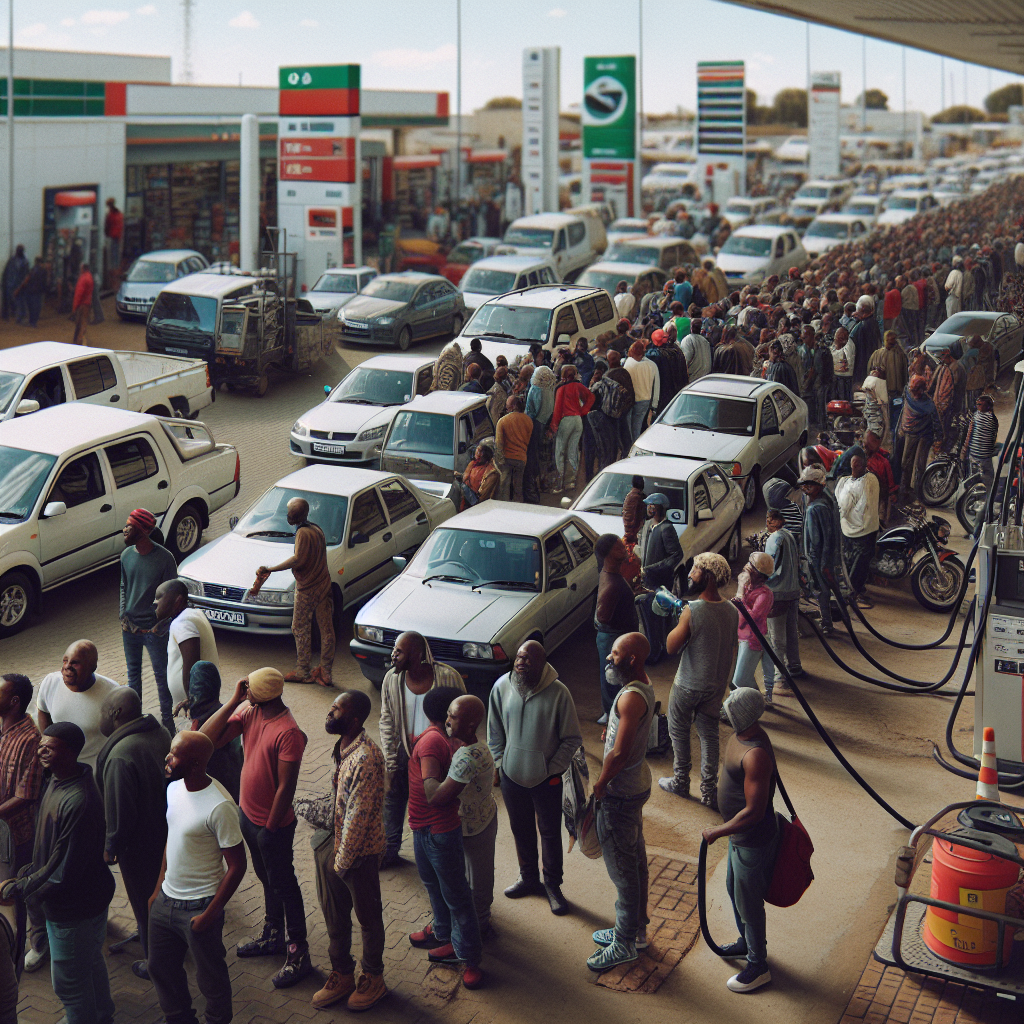
South Africans Prepare for Significant Fuel Price Increase Starting 6 May
Amidst escalating global tensions and supply chain disruptions, South Africa is set to face a substantial hike in fuel prices starting from 6 May, a situation that has sent ripples of concern across the nation. This imminent increase has been attributed primarily to fluctuating international crude oil prices and the recent depreciation of the South African Rand against major currencies.
In recent years, the global energy market has been subject to volatile conditions due to geopolitical events and policy shifts. The COVID-19 pandemic further exacerbated these issues, precipitating a complex web of economic challenges. As economies gradually recover, demand for fuel has surged, overtaking supply capabilities and pushing prices upward. Local experts warn that South Africa, relying heavily on imported petroleum, is particularly susceptible to these global economic shifts.
"We are in a precarious situation where external factors largely dictate the pricing mechanisms," remarks Energy Analyst, Thabo Mhlongo. "The government has limited capacity to intervene without significant structural changes in our energy sector," he adds.
The Department of Energy has confirmed that petrol and diesel prices will respectively increase by approximately 15% and 10%. These adjustments come as the country ushers in colder months, a period typically marked by an increase in industrial activities and home heating demands. The cascading effects of these price hikes could, however, extend beyond the fuel pump, affecting the broader economic landscape of the nation.
Transportation costs are expected to soar, a reality that risks further inflating household expenses. Anouchka Swanepoel, a logistics manager based in Cape Town, expresses concern over the impending increase: "We've already had to recalibrate our transportation schedules to cut costs. A hike like this puts immense pressure on small and medium enterprises striving to stay competitive."
Moreover, the agricultural sector, which is heavily reliant on fuel for machinery and logistics, is bracing for potential ripple effects. "It’s not just about harvesting; the entire supply chain from farm to table is diesel-dependent," says local farmer Jacob Khumalo. "This increase will inevitably force us to pass some of the costs onto consumers."
In response to the looming crisis, government officials are considering short-term relief measures, such as subsidies for critical sectors and a possible review of the petrol levy. However, economists warn that these actions may only serve as temporary solutions. Long-term strategies, such as investment in alternative energy sources and local oil production, are being discussed as sustainable responses to the crisis.
For many South Africans, the question remains as to how these price hikes will affect daily life. With a nation already grappling with high unemployment rates and economic disparities, the burden of rising costs adds another layer of complexity to their struggles. "Balancing essential needs against these rising costs is becoming increasingly difficult for the average citizen," says Sandra Daniels, an economist at the University of Johannesburg.
As the 6 May deadline looms closer, South Africans are left bracing themselves for the economic impact. The unfolding developments serve as a stark reminder of the interconnectivity of global markets and their on-the-ground ramifications. Many are hoping for strategic interventions that could provide both immediate respite and long-term resilience against the vicissitudes of global fuel dependency.