
Examining Kopanang Africa Against Xenophobia: Advocacy or Anarchy?
Examining Kopanang Africa Against Xenophobia: Advocacy or Anarchy?
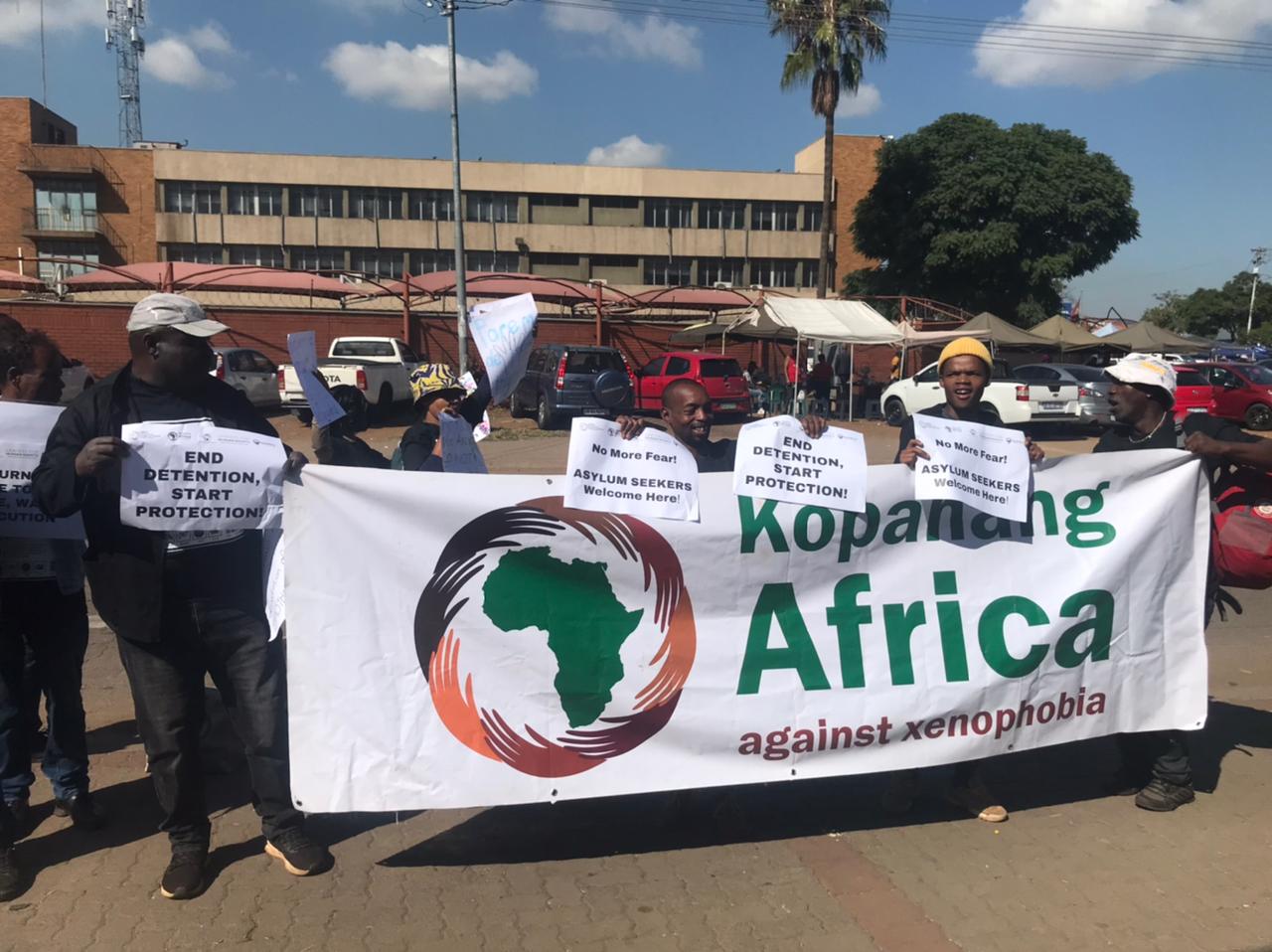
As South Africa continues to grapple with its complex socio-economic landscape, advocacy groups like Kopanang Africa Against Xenophobia (KAAX) have emerged at the forefront of the debate surrounding immigration policy and foreign nationals’ rights. While the group has positioned itself as a vital player in promoting social justice and human rights, critics have voiced concerns over its methods and motives, alleging that their activities may border on promoting lawlessness.
The Genesis of Kopanang Africa Against Xenophobia
Kopanang Africa Against Xenophobia was founded in response to recurring xenophobic violence and sentiments that have periodically flared across South Africa. The organization's mission is to promote unity and challenge the xenophobic attitudes that have plagued the nation’s communities. However, as with any advocacy efforts, their campaigns are not without criticism or controversy.
Critics argue that KAAX’s approach, which includes advocating for the rights of undocumented immigrants and pushing for their regularization, inadvertently encourages undocumented immigration and the circumvention of immigration laws. “While it is important to ensure that all people in South Africa are treated with dignity and respect, we cannot disregard the sovereignty of our nation and the rule of law,” suggests Professor Amanda Luthuli, a political analyst at the University of Pretoria.
Striking a Balance Between Law and Humanity
To understand KAAX's standpoint, it is crucial to balance law enforcement with humanitarian assistance. Many foreign nationals in South Africa face harsh realities, including limited access to healthcare, education, and formal employment. KAAX argues that a humane approach is essential, asserting that the government should adopt policies that offer pathways for regularization and integration.
Kopanang Africa Against Xenophobia states, "We believe that everyone who lives in South Africa should have the opportunity to contribute positively without fear of discrimination or deportation. Our efforts are about bringing legal and social justice to people who are otherwise marginalized."
However, this perspective has encountered pushback from South Africans who are concerned about the impact on domestic resources. “Our country is currently facing high unemployment and economic strain,” says Thabo Maseko, an unemployed youth from Soweto. “How can we extend services and rights to those who are here illegally when our own citizens are struggling to survive?”
Tensions and the Way Forward
The issue of undocumented foreign nationals is a contentious one, and finding a solution that satisfies all stakeholders is complex. KAAX believes that a peaceful, multi-stakeholder dialogue is the only sustainable path forward. They argue that integrating immigrants into the formal economy would benefit the nation as a whole by increasing tax revenues and fostering inclusive growth.
Yet, the call for integration leaves several questions unanswered. One significant concern is the potential incentivization of illegal border crossings, which could further strain South Africa's border management policies. “Regularizing undocumented foreigners could send the wrong message internationally—that South Africa is open to those entering illegally,” cautions Maria Kgomotso, an immigration policy expert.
A Conclusion Without Closure?
As South Africa navigates the dual objectives of safeguarding its borders and upholding human rights, groups like KAAX are likely to remain central voices in the ongoing debate. Their initiatives raise important questions about how to harmonize national policy with international human rights standards.
The dialogue initiated by KAAX, regardless of its polarizing nature, undeniably presses the government to take definitive action. To truly resolve these issues, there needs to be a comprehensive national strategy that considers not just the legal and economic implications, but the social and ethical imperatives as well. Policymakers face the challenging task of closing the gap between humanitarian compassion and legal compliance.
The outcome of this debate could set a critical precedent, not only for South Africa but for other nations facing similar challenges with immigration and xenophobia.