
Minister Enoch Godongwana Halts R10 Billion Joburg Wage Bill Amid Stark Warning of Funding Cuts
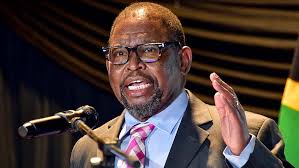
Minister Godongwana Halts Joburg R10 Billion Wage Bill and Issues Warning Over Funding Cuts
The financial state of the City of Johannesburg has arguably reached a critical juncture. On Friday, South African Finance Minister Enoch Godongwana made a bold decision to halt the proposed R10 billion wage bill for Johannesburg, citing concerns over financial mismanagement and inadequate service delivery. This decisive action has brought new scrutiny to the leadership of Dada Morero, the city's mayor, whose administrative choices have been under fire.
Discovering the Root of the Financial Disorder
The City of Johannesburg, home to millions, finds itself grappling with decaying infrastructure, poor service delivery, and declining public trust. It seems not too long ago that the city was a beacon of growth and economic promise. Yet under Mayor Dada Morero's leadership, the cracks have widened considerably. "The situation in Johannesburg is dire," noted one city resident. "It’s as if the city has sprawled out without any direction or plan. Our roads are falling apart; utilities are unreliable," another added.
The last few years have been marked by controversial decisions by Morero and his administration. In one instance, funds earmarked for city development projects were redirected towards 'emergency measures' which never bore visible results. There was also the ill-fated decision to initiate several high-cost projects without a foundational financial plan, which further drained the city’s resources. These choices, while intended to boost urban development, instead culminated in halted projects and unhappy constituents.
The Underbelly of Leadership: Misguided Priorities
Dada Morero ascended to his position with promises of innovation and reform. However, many Johannesburg residents believe these promises have not been delivered. "The city is not what it used to be," remarked a local business owner. "It feels as though we're going backwards, not forwards." While Morero's tenure has seen several positive developments, these are overshadowed by systemic issues like budget overruns and inefficient use of funds.
The Minister's decision to halt the wage bill is perhaps a dramatic yet necessary wake-up call for the city's leadership. With the R10 billion frozen, plans to improve essential services such as waste management, water supply, and infrastructure maintenance have stalled. "Minister Godongwana's intervention was timely," opined a local economist. "Without it, the city was heading towards a fiscal cliff."
Minister Godongwana’s Bold Move
Enoch Godongwana’s intervention shines a spotlight on the critical role of responsible fiscal management. By taking a tough stance against the wage bill, he has signaled a need for reform. "Government funds are not an endless well," the Minister stated. "It is imperative, for the sake of the people of Johannesburg, that we redirect these resources more wisely." His stringent approach is being lauded as a necessary step to bring about fiscal discipline.
With funding cuts looming, Godongwana’s priority appears to be restructuring how the city allocates its budget, focusing on restorative projects rather than vanity ones. Analysts suggest that rather than funding a bloated wage bill, these funds could have been utilized for improving the city’s infrastructure, enhancing service delivery, and reducing operating inefficiencies.
What Is at Stake for Johannesburg?
The interruption of the wage bill brings both challenges and opportunities. The obvious challenge is navigating the political complexities involved in job and wage adjustments. However, there lies an opportunity to reflect on fiscal policy genuinely aimed at rejuvenating the city. The halted funds, under better management, could substantially improve public transit systems, repair roads, and address housing shortages.
Experts suggest a comprehensive audit of current projects and expenses to determine the best allocation strategy moving forward. Local government can use this situation as a pivotal moment to restore public faith through transparency, accountability, and efficient service delivery to the city's population.
A Call for Accountable Leadership and Strategic Vision
As Johannesburg grapples with these tough financial decisions, the spotlight is firmly placed on leadership and governance. It underscores the pressing need for a strategic vision that prioritizes sustainable development over short-term gains. The city must now look toward collaborative solutions that involve not only the government but also input from local communities and private sectors.
In conclusion, Minister Enoch Godongwana’s intervention is resonating as a positive turning point that hopefully triggers thoughtful decision-making for Johannesburg’s future. The actions and accountability that follow will determine whether the city can pivot back to a path of growth and prosperity. For now, Johannesburg waits with bated breath, hopeful for a renewed, strategic approach to rebuilding its legacy.