
Phala Phala Impeachment Controversy: What Lies Ahead for Cyril Ramaphosa and the South African Polit
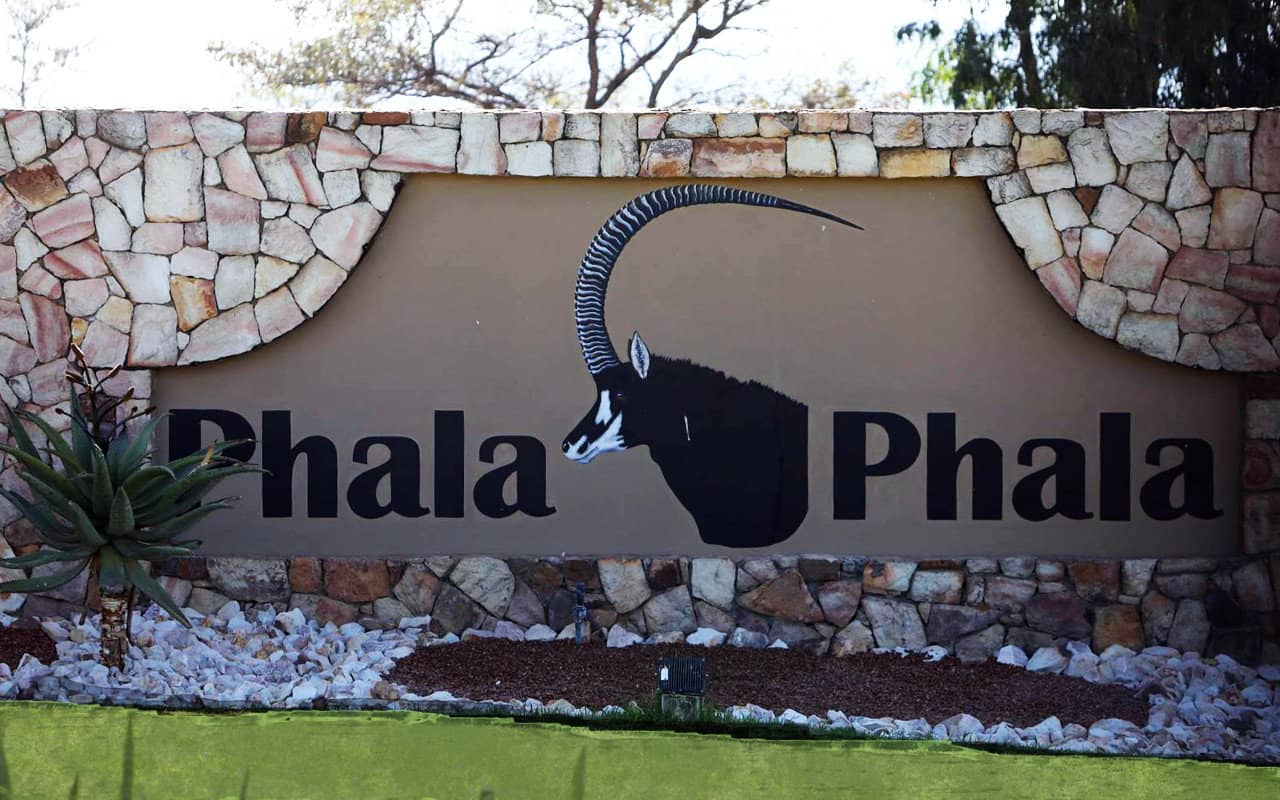
The Political Storm Surrounding Phala Phala: An In-Depth Analysis
South Africa is witnessing an unprecedented political storm as the controversy surrounding President Cyril Ramaphosa’s Phala Phala farm continues to unravel. Allegations that large sums of undeclared foreign currency were stolen from the President’s property have sparked heated debates about accountability and transparency in governance. As impeachment proceedings loom over Ramaphosa, questions about succession, the future direction of the African National Congress (ANC), and the country's broader political landscape are gaining momentum.
The political discourse in South Africa has shifted dramatically since these allegations came to light, culminating in ongoing calls for Ramaphosa’s impeachment. Many believe this might signify a seismic shift within the ruling ANC and challenge the broader democratic framework established post-apartheid. Insiders suggest an impending realignment within the party itself, particularly if Ramaphosa resigns or is removed from office.
The controversy has cast a long shadow over the ANC’s leadership. While some party members express their steadfast belief in Ramaphosa’s integrity and leadership, others argue that his continued presence at the helm is divisive and detrimental to the party’s future. "It’s not just about the money; it’s about trust and accountability," said one ANC insider, reflecting a sentiment shared by many within the party.
Additionally, speculation around who might succeed Ramaphosa is rampant. Paul Mashatile, currently serving as Deputy President, has emerged as a prominent figure poised to step in if Ramaphosa steps aside. His potential rise to the presidency could usher in a different approach in policy-making and management within the government. The prospect of a Mashatile leadership raises significant questions about the direction South Africa might take amidst ongoing economic challenges and social disparities.
The impact of this controversy extends beyond the ANC. The Democratic Alliance (DA), South Africa’s main opposition party, finds itself in a precarious position. Despite their role as opposition, the DA has faced criticism for its perceived leniency towards Ramaphosa. Some critics argue that the DA’s response is indicative of an implicit political strategy to stabilize the national political scenario or possibly due to shared economic interests.
"The DA's ambiguous stance on the Phala Phala issue raises eyebrows among political analysts and citizens alike," stated political analyst Thandeka Mdluli. "The silence, when it comes to holding the government accountable, is deafening, and it undermines the opposition’s role in a healthy democracy." These claims add to the complex web of political maneuvering that surrounds this scandal, suggesting that it affects not just the ANC, but the entire political fabric of the nation.
The paucity of robust coverage from mainstream media has also been a topic of discussion. Some activists and political commentators argue that the media's restraint in reporting intensely on this issue might be influenced by political pressures or relationships with influential stakeholders within the government and business community. "We need our media to function without fear or favor," said Alistair Goode, a journalist advocating for more transparency.
As South Africa stands on this political precipice, the implications of the Phala Phala scandal reach far into the future of its governance. Whether Ramaphosa remains in power or a new leadership takes over, the outcome will inevitably reshape South Africa's political landscape. The pursuit of accountability and clarity from all stakeholders involved, including media organizations and opposition parties, remains crucial for the health of the nation’s democracy.
Conclusion: Beyond the Impeachment Proceedings
As the impeachment saga unfolds, South Africans are left pondering the future of their leadership and the strength of their democratic institutions. The Phala Phala scandal underscores the urgent need for transparency and integrity, as well as competent and fair reporting from the media. In a rapidly evolving political environment, the outcome of this crisis could redefine the trajectory of not only the ANC but the entire South African polity. The country's populace keenly watches, hoping for a resolution that upholds democratic principles and restores faith in governance.