
Delay in ConCourt’s Phala Phala Ruling Draws Political Criticism
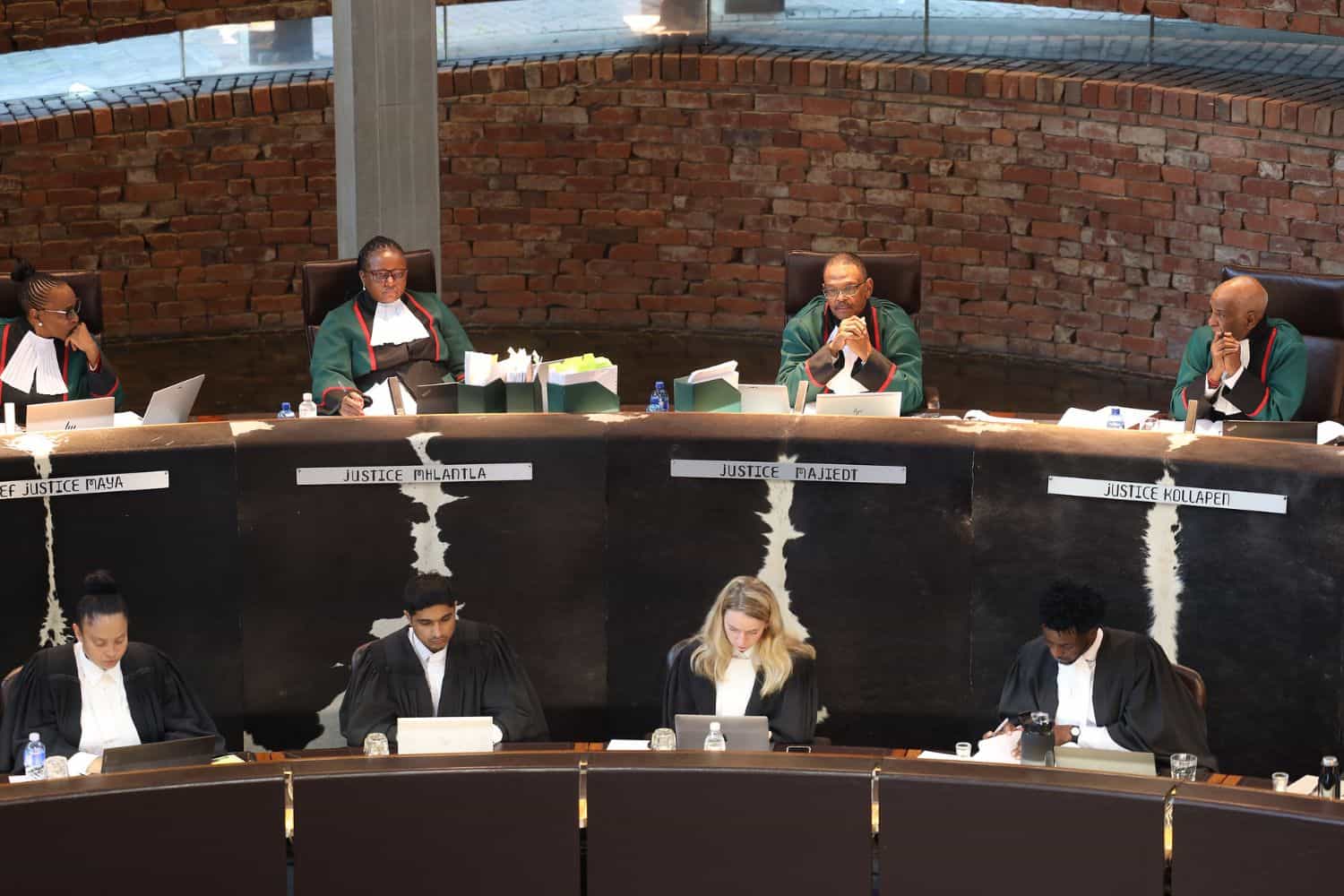
Delays in ConCourt's Phala Phala Ruling Sparks Political Controversy
In recent weeks, political tension has mounted in South Africa as the Constitutional Court, commonly referred to as the ConCourt, faces criticism over delays in delivering its ruling on the controversial Phala Phala case. As stakeholders voice concerns over the prolonged wait, questions are being raised about the potential implications for democratic processes and public trust in the judiciary.
The Phala Phala case centers around allegations of misconduct and financial impropriety involving high-ranking government officials, a narrative that has gripped the nation’s attention for several months. While the details of the case are complex, at its heart are significant allegations concerning the misuse of state funds and ethical breaches which have far-reaching implications for governance and accountability in South Africa.
A spokesperson from the opposition party, the Democratic Alliance (DA), expressed their frustration, stating, "The continued delay in the Constitutional Court's ruling on such a critical issue is not only disappointing but also potentially damaging to the public's confidence in our judicial system." The DA has been vocal about the need for swift judicial action, emphasizing that justice delayed could equate to justice denied.
Conversely, those within legal circles argue that the complexities associated with the case necessitate a thorough and thoughtful judicial review. A senior legal analyst, Thabo Masondo, noted, "It's crucial that the Constitutional Court takes the necessary time to deliberate on all facets of the case to ensure that their ruling is not only just but also serves as a robust precedent for future governance issues." Masondo emphasized the need for balance between efficiency and the thoroughness of judicial processes, hinting at the weighty consequences of an ill-considered judgment.
For the citizens, especially those directly impacted by the allegations of financial mismanagement at Phala Phala, the delay compounds existing frustrations about transparency and accountability in government dealings. Advocacy groups have called for greater transparency from the judiciary, urging regular updates on the status of cases that hold substantial public interest. "We need to know that our leaders are being held to account and any delays only serve to foster doubt about the commitment to justice," stated Nosipho Dlamini, a representative of Civic Action South Africa.
In the political arena, the delay has led to increased finger-pointing and has become a contentious point among political rivals. Analysts suggest that the implications of the ruling, when it eventually arrives, could potentially shift the dynamics of political alliances and influence voter sentiment ahead of upcoming elections. "Who stands to gain or lose from this ruling will likely shape their political strategies in the months to follow," posited political strategist, Mpho Ndlovu, during a recent discussion panel.
As the nation awaits the ConCourt's decisions with bated breath, the broader narrative reflects enduring themes of accountability and integrity within public office. While the delay certainly presents challenges, discussions around the necessity of patience, proper judicial practices, and the ultimate quest for justice continue to dominate media discourse. All eyes remain on the Court as the nation eagerly anticipates clarity on one of the most significant legal battles of recent times.
In conclusion, the delay in the Phala Phala ruling underscores the complexity and significance of holding public officials accountable. As stakeholders across the nation ponder the outcome, the question remains: what will the Phala Phala ruling signify for the future of South Africa's judiciary and its democratic processes?