
Musa Mseleku’s Wife MaCele Jokes About Having the Same Number of Kids As Sne
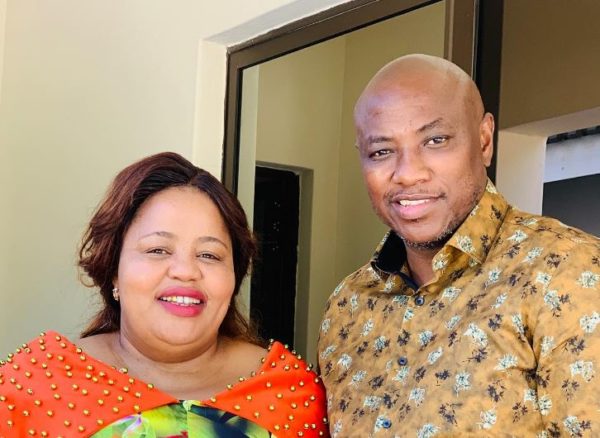
Exploring the Dynamics of Modern Polygamous Families in South Africa
In the vibrant world of South African polygamous relationships, Musa Mseleku, a prominent polygamist and television personality, often finds himself and his family in the spotlight. Recently, MaCele, his first wife, jested about equalling the number of children as far as Sne, one of Musa’s children from another wife. While seemingly playful, this remark opens a broader conversation about family dynamics, expectations, and the societal implications surrounding modern polygamous setups.
MaCele's comment, shared through a recent episode of their family reality show, resonated with many viewers, inviting both chuckles and debates across social media platforms. Sne, one of Musa’s older children, is herself a young mother navigating complexities similar to her father's polygamous life. The casual joke struck a chord, shedding light on the family’s unique structure and the layered web of relationships that come with it.
The Modern Polygamous Family
Polygamy, albeit controversial, remains a legal and practiced tradition in certain cultures throughout South Africa. For Musa Mseleku, it is both a lifestyle and a familial commitment. Over the years, through his reality show 'Uthando Nesthembu,' Musa has shared intimate glimpses of his life with his four wives and multiple children, bringing both authenticity and curiosity to audiences who may not be familiar with such family structures.
MaCele, Musa’s first wife, holds a significant role within this family structure. Her ability to blend humor with reality in addressing family dynamics offers an insightful view into how the Mseleku family navigates challenges and joys. As she humorously considers expanding her family to match Sne’s, MaCele also draws attention to her profound understanding of her role and influence as a matriarch within a rapidly modernizing society.
Conversations Around Family and Society
The incident spurred conversation regarding expectations of women in polygamous marriages concerning childbearing and familial responsibilities. In many traditional settings, the more children a woman bears, the higher her perceived value in her household. However, MaCele’s offhand comment reflects a shift in this narrative; modern perspectives on family and marriage increasingly embrace personal choice over societal pressure.
“The joke was light-hearted, but it illustrates deeper truths about expectations,” states cultural analyst Zodwa Mahlangu. “It’s key not to forget the nuances that come with these relationships—what they signify for the individual, the family, and the community at large.”
For younger members like Sne, embodying a role where traditional expectations collide with modern realities fosters discussions around autonomy and change. Young women like Sne are navigating these waters, often seeking to redefine their positions within the cultural boundaries set by tradition and individual aspirations.
A Glimpse Into the Future
Looking ahead, the Mseleku family exemplifies an ever-evolving dialogue about how traditional practices intersect with contemporary societal norms. Musa Mseleku’s role is not just about maintaining tradition but also about fostering an environment where each family member can voice, shape, and control their family narrative.
While MaCele’s jest gained immediate attention, it serves a greater purpose of igniting discussions about gender roles, the importance of individual choice, and the capacity for cultures to maintain their essence while evolving with global perspectives. It challenges both participants and observers of these familial structures to consider the broader ramifications and the potential for positive growth and change.
Conclusion
As South Africans continue to engage with the nuances of polygamous marriage, families like the Mselekus shed light on both the challenges and triumphs within such homes. MaCele's playful comment may have started as a simple joke, yet it has spiraled into an opportunity for deeper introspection and societal reflection, highlighting the dynamic intricacies of family life and evolving gender roles in the nation.
This narrative, while specific to the Mseleku family, resonates universally with themes of love, commitment, and the ever-changing definition of family. The discussion does not end here—it opens pathways for further dialogue on diversity, tradition, and individual freedoms within family frameworks.