
The Phala Phala Judgement: Implications for South Africa's Government of National Unity
The Phala Phala Judgement: A Turning Point for South Africa's Government Structure
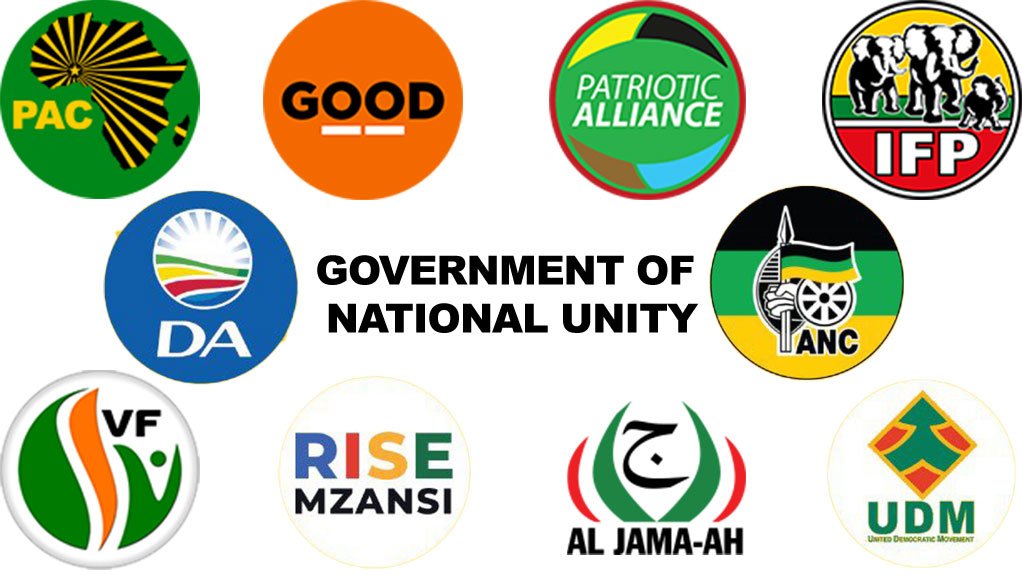
The recent Phala Phala judgement has sent ripples throughout South Africa's political landscape, raising poignant questions about the future of the country's current government framework, often referred to as a Government of National Unity (GNU). This verdict not only underscores judicial independence but also sets the stage for potential seismic shifts within South Africa’s coalition politics, especially as the African National Congress (ANC) deliberates collaboration pathways with various parties like the Economic Freedom Fighters (EFF) and the Musina Makhado Project (MKP).
The Verdict and Its Immediate Repercussions
The Phala Phala judgement, dealing with the controversial financial dealings at President Cyril Ramaphosa's private farm, has been perceived as a significant litmus test for governance and transparency within the country's political elite. While the verdict primarily focuses on legality and accountability, its broader implications challenge the trust and operational dynamics of current political coalitions. As the judgement delivers an unequivocal call for rigor in political conduct, ANC's response could redefine its alliances.
Shifting Alliances and the DA Dilemma
Within the ANC, there's a growing faction led by Paul Mashatile, which is notably hesitant about continuing partnerships with the Democratic Alliance (DA) and other parties considered representatives of “white capitalist interests.” This skepticism casts doubts on the unity that the GNU intends to foster. As talks about forming more ideological congruent coalitions with EFF and MKP gain momentum, there is speculation that the ANC might abandon its current coalition partners, an act which political analyst Sipho Ngcobo describes as “the ultimate litmus test for ANC’s political agility and ideological steadfastness.”
The Nature and Misconceptions of GNU
The notion of a Government of National Unity (GNU) in South Africa is often misconstrued with a coalition government. A GNU traditionally means a temporary government involving all major political parties, typically used in crisis situations to ensure national stability. However, in the post-apartheid context, some parties have been left out of the current coalition, prompting criticism and questioning of the imbalance of represented interests. Political scientist Lindiwe Mkhize highlights, “The current so-called GNU has deviated from its foundational principles by excluding significant political voices and diluting comprehensive representation.”
Potential Outcomes and Political Playbook
If the ANC expedites a strategic pivot towards EFF and MKP, it could lead to the dismantling of existing coalitions. This move not only tests political alliances but could also impact legislative processes and policy-making significantly. “The ANC’s engagement with EFF might reshape South Africa’s socio-economic policies but also risks alienating moderates and reinforcing polarization,” suggests economist Thabo Radebe. This repositioning strategy, while potentially beneficial for political leverage, poses risks of instigating political instability.
Conclusion: Navigating an Uncertain Political Future
As the dust of the Phala Phala judgement begins to settle, what remains is a country at a crossroads; its political decisions bearing significant weight on its democratic fabric. The potential dismantling of the current GNU could herald a new chapter in South Africa’s political history but not without challenges. While ANC’s next moves are awaited with bated breath, the overarching priority remains a reformed, inclusive, and transparent government system that practices the genuine principles of a Government of National Unity.