
Phala Phala Judgment: Understanding Its Impact on Cyril Ramaphosa and South Africa's Political Balan
Understanding the Phala Phala Judgment
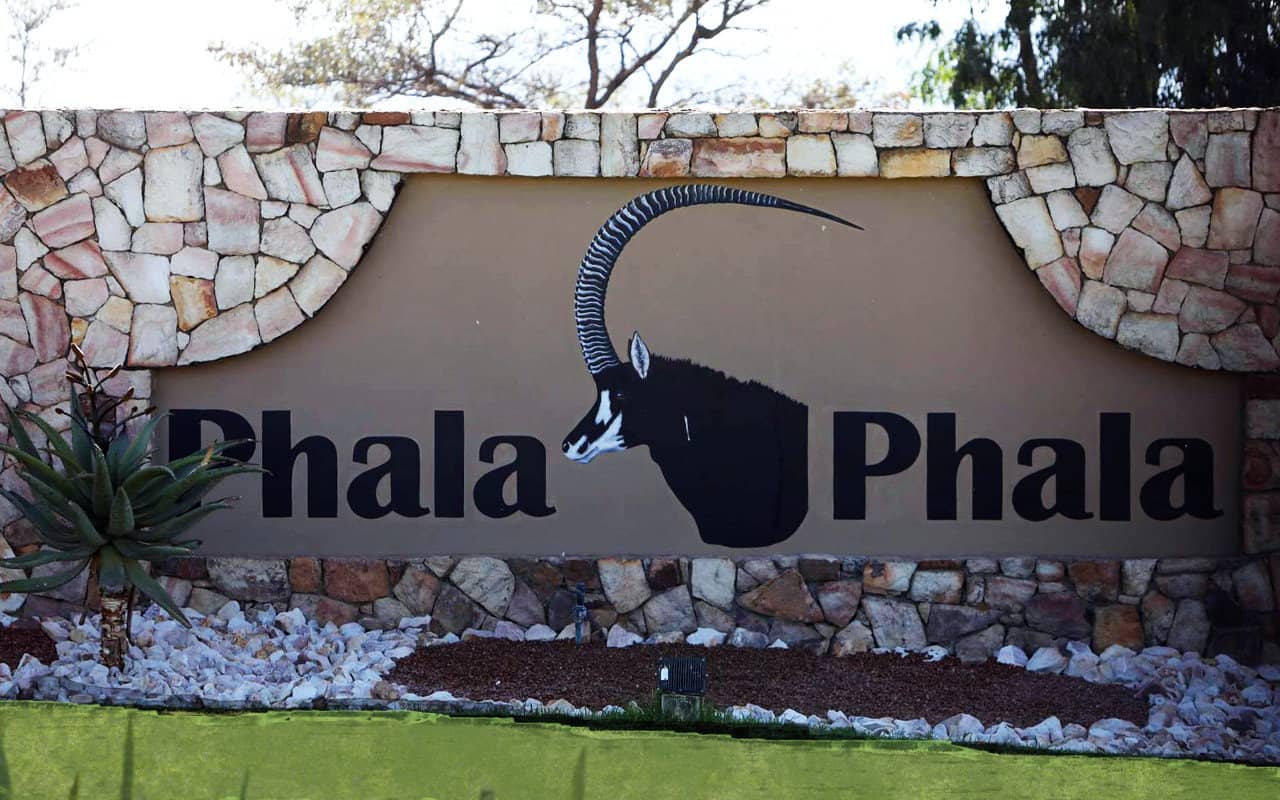
The recent judgment in the Phala Phala affair has sent ripples across South Africa's political landscape, significantly affecting President Cyril Ramaphosa's tenure and the broader political sphere. The high-profile case, which involved allegations of improper transactions and misuse of funds at Ramaphosa's Phala Phala game farm, has concluded with a judgment that leaves several implications for the country's political dynamics.
The court's decision, which found gaps in accountability and governance, underscores a crucial moment for reform and accountability in South Africa's political framework. This judgment not only calls into question the leadership style of the President but also hints at potential shifts within the African National Congress (ANC), the party currently in power. As citizens and political analysts digest the verdict, many are left pondering its broader implications.
Background and Context
The Phala Phala saga began in 2020 when details emerged regarding a burglary at the President's private game farm. The theft of a substantial sum of money, reportedly hidden in furniture, drew widespread scrutiny and led to accusations against Ramaphosa of failing to report the crime properly and potentially engaging in illicit financial activities. The case quickly spiraled into a national talking point, questioning the integrity of the highest office in the land.
As investigations commenced, the affair became emblematic of the systemic challenges within South Africa's governance structures, including issues of transparency, corruption, and the murky intersection between personal and public interests. The judgment has not explicitly proven criminal wrongdoing on Ramaphosa's part but highlighted procedural inadequacies and ethical considerations that have cast a shadow over his presidency.
Political Repercussions for Ramaphosa
The verdict has inevitably placed Ramaphosa in a politically precarious position. Running on a platform of anti-corruption and integrity, the President promised to restore ethical governance post the Jacob Zuma era, riddled with corruption accusations and factional battles. Yet, this affair presents a challenge to his credibility and reform agenda.
Within the ANC, factions critical of Ramaphosa have seized on the judgment to question his leadership, applying pressure internally. "This judgment presents a critical opportunity for renewal and correction within our ranks," one senior ANC member remarked. Some, however, see this as a rallying point for his rivals rather than a genuine attempt at reform. The judgment's timing, close to the ANC’s national elections and the country's general elections, further intensifies its impact.
Implications for the Political Balance of Forces
Beyond the ANC, the judgment has implications for South Africa's opposition parties, most notably the Democratic Alliance (DA) and the Economic Freedom Fighters (EFF). Both parties are gearing up to leverage the judgment as evidence of the governing party's inefficiency and the need for a dramatic political shift. "This judgment lays bare the vulnerabilities of ANC governance," said an EFF spokesperson, "and highlights the urgent need for South Africa to pivot towards leaders who prioritize transparent governance."
The DA, emphasizing the judicial review process, plans to capitalize on the ruling as a means to push for stronger institutional reforms and independence for prosecutorial agencies. Opposition leaders argue that the case exemplifies the need for systemic change, fostering an environment where true democratic accountability can flourish.
Citizen Reaction and Future Prospects
Public response, as captured in social media and community discussions, ranges widely from outright condemnation of perceived misconduct to a patient wait-and-see attitude. Citizen protests and dialogue sessions have become common as South Africans demand higher ethical standards from their leaders.
For Ramaphosa, navigating the political fallout can be an opportunity to push his agenda of unity and reforms, possibly using the judgment as a turning point to re-establish trust. However, whether he will seize or squander this moment remains uncertain.
Conclusion
The Phala Phala judgment acts as a pivotal moment for South Africa, challenging its leaders to confront negligence and embrace accountability. For Cyril Ramaphosa, it is a test of resilience and political strategy as he attempts to steer his administration through turbulent waters while upholding his reformist image. The outcome of this drama will likely dictate the political tenor in South Africa for the immediate future.