
Energy Minister Ramokgopa Firmly Rejects Calls to Bury Rural Power Lines Amidst Rising Controversy
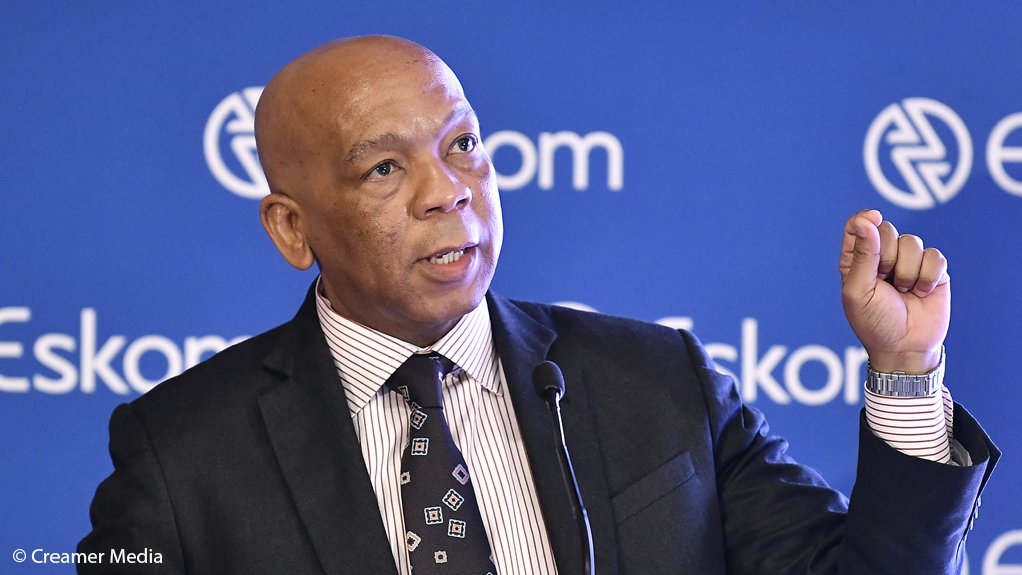
Resolute Stand on Rural Power Lines: Ramokgopa Rejects Buried Infrastructure Solutions
In a decisive statement that has sparked renewed debate across South Africa, Energy Minister Kgosientsho Ramokgopa has firmly rejected mounting public calls to bury power lines in rural areas. His position comes amidst an escalating national discourse on energy infrastructure, safety, and preservation of public lands.
During a heated parliamentary session on Tuesday, Ramokgopa outlined his reasoning behind opposing the burial of power lines, emphasizing the need for fiscal responsibility and practicality in addressing the country's energy challenges. "While the safety and aesthetic concerns of above-ground lines are acknowledged, the financial implications and technical constraints of burying power lines on a national scale are unsustainable," he stated with conviction.
The Cost and Technical Hurdles of Buried Power Lines
South Africa’s vast rural regions, with their sprawling landscapes, pose significant technical challenges when considering the burial of power lines. Ramokgopa pointed out that the costs associated with trenching, insulating, and otherwise securing buried cables are substantially higher than maintaining overhead lines. “The estimated cost is three to five times more, and that doesn’t account for the maintenance,” he noted, forewarning of potential budget reallocations it would necessitate.
Expounding on the technical complications, Ramokgopa added that the diverse terrains and environmental conditions across South Africa require bespoke engineering solutions that further drive up costs. "It's not just about laying cables underground; it's about ensuring those cables withstand our diverse climatic conditions—from the deserts of the West to the wet, verdant regions of the East," he explained.
Environmental and Community Concerns
Beyond fiscal and logistical considerations, environmental advocates have highlighted potential ecological impacts as a point of contention in the campaign for burying power lines. Critics argue that the necessary excavation could disrupt local ecosystems, leading to unforeseen ripple effects on flora and fauna. Ramokgopa, addressing these concerns, emphasized the government's commitment to minimizing environmental impacts through stringent oversight and ecological assessments in existing above-ground line projects.
Community leaders in rural areas, who have voiced safety concerns over ageing infrastructure prone to outages and increased risks during storms, have been vocal proponents of buried lines. "The frequency of disruptions and safety hazards in these regions is unacceptable," commented Thabo Mkhize, a local councilor in KwaZulu-Natal, reflecting the frustrations of many.
Alternatives and Future Investments
Despite rejecting the massive overhaul of burying power lines across rural terrains, Ramokgopa outlined alternative strategies to bolster the reliability and resilience of the country's energy infrastructure. "Investments in modernizing and reinforcing our existing networks are underway," he announced, citing advancements in line materials and smart grid technologies that are less visually intrusive and more reliable.
The minister also highlighted the ongoing implementation of renewable energy sources as a critical component for reducing the country's dependency on expansive power lines. "Solar farms and localized mini-grids are already transforming our rural areas with decentralized and efficient power solutions," stated Ramokgopa, signaling a strategic pivot towards more sustainable energy practices.
Public Reaction and Political Ramifications
Reaction to Ramokgopa's stance has been mixed, with opposition voices in parliament and advocacy groups calling for continued dialogue on the issue. "The minister’s dismissal doesn't address the root of infrastructural inequities that rural residents face," said an opposition spokesperson, urging for a comprehensive review of urban versus rural energy policies.
While some citizens appreciate the government's pragmatism in fiscal spending, others see this decision as prioritizing urban development over rural welfare. The political ramifications could ripple through upcoming elections, with rural constituencies watching closely how their needs are represented and addressed at the national level.
Looking Forward
As the national conversation around energy infrastructures evolves, Minister Ramokgopa's rejection of buried power lines raises important questions about balancing immediate challenges with long-term vision. The administration's next steps will likely involve a careful calibration of technological innovation, fiscal discipline, and equitable policy-making to ensure energy access that is both sustainable and inclusive.