
Rising Xenophobic Tensions Threaten South Africa's Global Image: A Complex Debate
The Rising Xenophobia in South Africa: A Threat to National and International Reputations
As South Africa grapples with a surge in anti-immigrant sentiment, experts warn that the nation’s reputation on the world stage is at risk. The country, historically renowned for its diverse and welcoming disposition, could face significant backlash if current tensions escalate further. This report seeks to unravel the complexities surrounding this sensitive issue while urging common sense and adherence to the law.
Historical Context and Current Dynamics
South Africa, post-apartheid, has long been a beacon of hope and opportunity in Africa, attracting immigrants from various parts of the continent. The waves of migration have, at times, resulted in friction within communities, often exacerbated by economic challenges and competition for resources. However, recent years have seen a marked increase in xenophobic incidents, sparking concern among human rights groups and international observers.
Experts attribute this to several factors, including high unemployment rates and a struggling economy, which create fertile ground for xenophobic sentiment. "Our socioeconomic challenges often find an unfortunate outlet through the targeting of foreign nationals who are mistakenly viewed as the competition," suggests Professor Sipho Dlamini, an expert in African studies.
Voices from the Ground: Operation Dudula and March for Justice
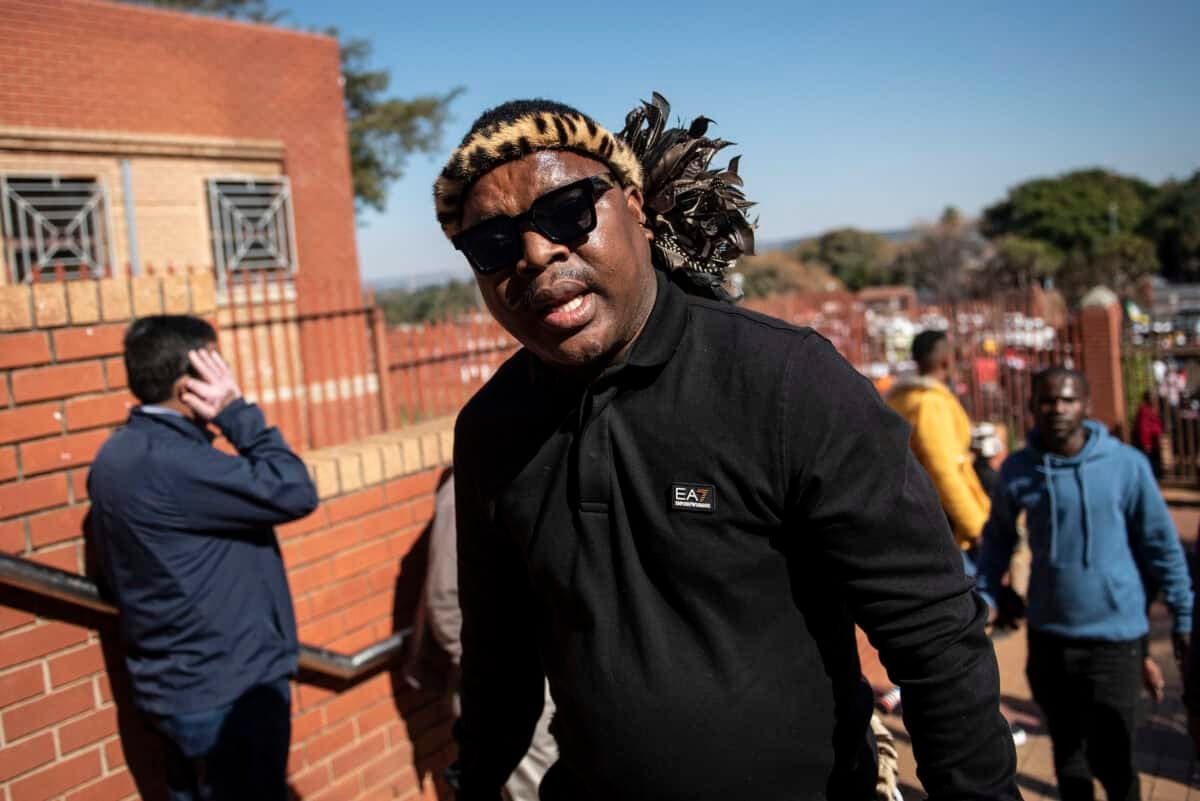
On the ground, grassroots movements like Operation Dudula have taken a hard stand against illegal immigration, claiming to restore order where they see governmental failure. "We are not against foreign nationals per se, but our laws must be respected," asserts Ngizwe Mchunu, a vocal activist supporting these movements. "It's about safeguarding our resources for citizens first, within the law." Such sentiments resonate deeply with many South Africans who feel marginalized and ignored by mainstream narratives.
Conversely, there are voices within the media and international community that caution against a one-dimensional approach that leans towards nationalism. These stakeholders argue for balanced reporting that doesn’t overly vilify foreigners but rather seeks to address the core systemic issues that fuel xenophobia.
The Media's Role: Protector or Perpetrator?
The media’s role in shaping public perception cannot be overstated. Some criticize it for either sensationalizing coverage or allegedly shielding illegal immigrants from scrutiny. "We must ask if we are undermining our laws by turning a blind eye to illegal activities," criticizes Busi Ngubane, a community leader from Johannesburg. Indeed, the media’s portrayal and sometimes absence of coverage on illegal immigration invites questions about its balancing act between ethical coverage and protecting human rights.
Yet, it is crucial for the media to navigate this complicated terrain carefully, emphasizing facts and promoting social cohesion even as it discusses uncomfortable realities. "Journalists play a key role in either diffusing tensions with fair analytics or inflaming passions through bias," notes Dlamini.
Can Illegal Immigration Be Addressed Legally and Humanely?
To uphold a nation’s law should be paramount, yet how a society manages this has implications that reverberate far beyond its borders. Countries across the world face pressures from illegal immigration; however, the measures taken need to harmonize enforcement with empathy. "International norms and local laws must coexist. We should not aimlessly replicate draconian policies from elsewhere," advises an official statement from the South African Human Rights Commission (SAHRC).
Conclusion: Towards a Balanced Solution
In navigating these troubled waters, South Africa must tread carefully. The world is indeed watching, and this scrutiny extends beyond governance to how civil society and media handle these issues. Transparency, dialogue, and adherence to both domestic and international laws are the pathways toward a solution that respects human dignity while securing borders.
If South Africa can strike this balance, it has the potential not only to secure its integrity but also lead by example on a continent often fraught with similar challenges. Until then, the dialogue, protest, and policymaking surrounding immigration laws in South Africa are sure to remain at the forefront of public consciousness.