
Constitutional Court Rules SA’s Asylum Seeker System Faces Abuse Risks in a World Marred by Povert
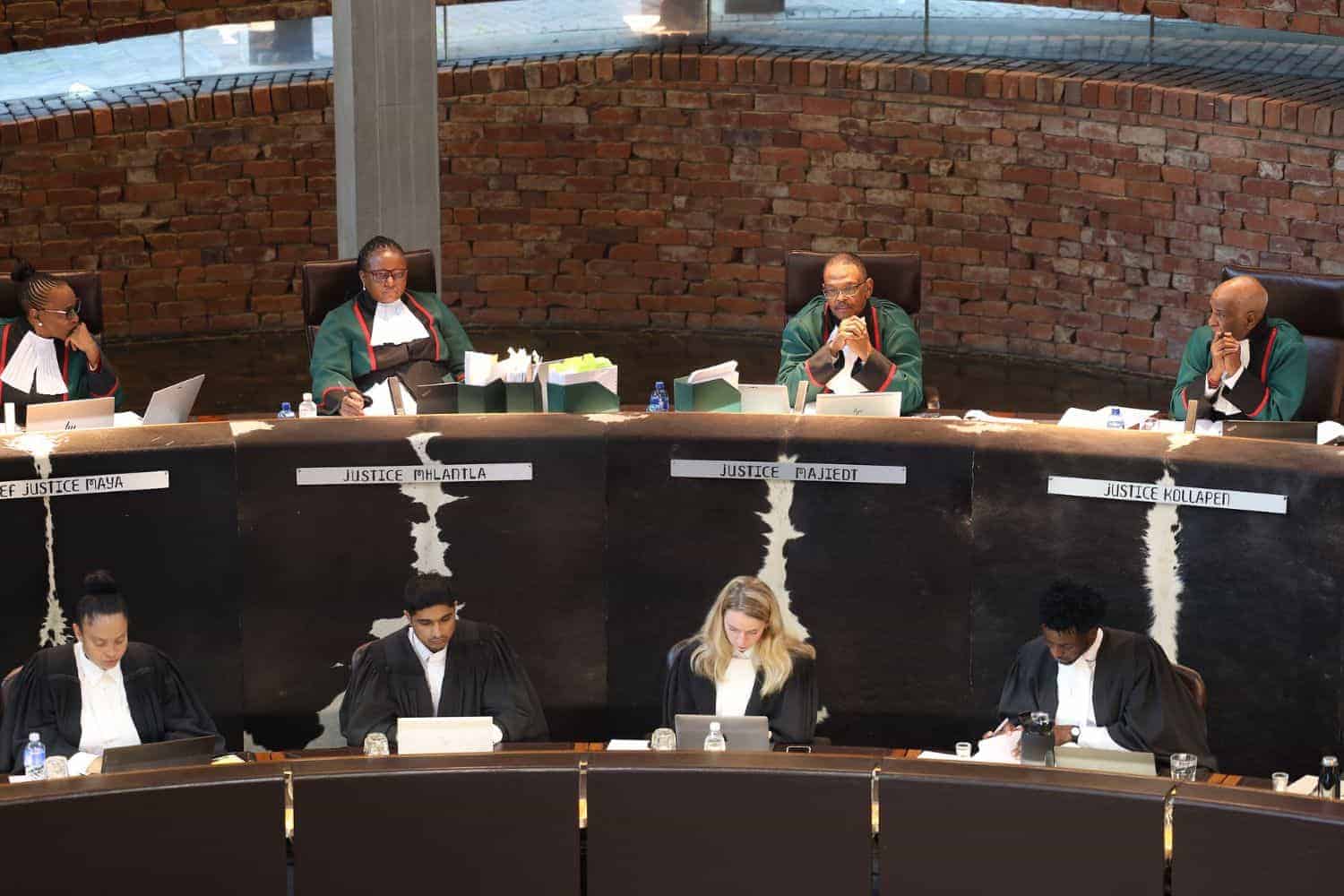
Constitutional Court Ruling Warns of Systemic Abuse of South Africa's Asylum Seeker System
In a landmark decision, South Africa's Constitutional Court has highlighted the vulnerabilities of the country's asylum seeker system to potential abuses amid global inequalities and persistent poverty. The ruling brings forth a critical examination of the gaps within the existing system and echoes a broader concern about how dire economic circumstances on the global stage may exacerbate these issues.
The judgment arose from a case that scrutinized regulatory measures concerning the processing of asylum claims in South Africa, which hosts one of the largest populations of asylum seekers on the continent. The court recognized that in a world fractured by poverty and conflict, many individuals might resort to exploiting asylum channels, not out of malice, but as a last resort for survival. Chief Justice Xolani Dlamini remarked, "We face a reality where poverty pushes individuals to desperate measures. It is imperative that we address the systemic flaws that may inadvertently be exploited, while still upholding our commitment to human rights."
Historical Context and System Challenges
Since the end of apartheid, South Africa has been seen as a beacon of hope and opportunity, leading to a steadily increasing number of asylum seekers entering the country. The Refugees Act of 1998 was designed to provide a framework for managing the influx of individuals seeking refuge from persecution. However, as noted in the Constitutional Court's ruling, the implementation of this framework has been fraught with challenges, largely due to inadequate resources and bureaucratic inefficiencies.
For decades, numerous reports and studies have pointed out the delays in processing asylum applications and a growing backlog that stretches the capabilities of the Department of Home Affairs. "Many asylum seekers find themselves stuck in limbo for years while waiting for their applications to be processed," commented Thandiwe Masango, a legal expert specializing in human rights law. "This not only undermines the efficacy of the system but also heightens the risk of abuse, as individuals might present false claims under the desperate need for basic human rights."
Government’s Response and Initiatives
The South African government acknowledges the intricate challenge posed by the existing asylum system and has pledged to refine and bolster its operational mechanisms. In an effort to tackle the system's abuse while safeguarding the rights of genuine refugees, the Minister of Home Affairs, Nkosi Mavuso, has announced a series of reforms that include an overhaul of the verification processes and the introduction of more robust data management systems.
"We are committed to a system that is both humane and orderly," Mavuso stated in a recent press briefing. "To achieve this, we will invest in better infrastructure and technology that ensures faster processing times and more accurate decision-making." These proposed measures have been met with cautious optimism from humanitarian organizations, who emphasize the need for the protection of genuine asylum seekers as a primary focus.
Implications for the Future
The ruling by the Constitutional Court serves as a wake-up call for South Africa and the international community regarding the interconnectedness of global socio-economic challenges and migration. It underlines the necessity for a cooperative international approach to address the root causes of forced migration, such as war, political instability, and poverty.
According to Bernard Matlala, a migration policy analyst, "The solution does not lie solely in tightening borders but in creating an environment where people are not driven from their homes due to preventable hardship. Cooperation with neighboring countries and strategic diplomatic engagements are crucial moving forward."
Conclusion: Path to Sustainable Solutions
South Africa stands at a crossroads, where it must balance its humanitarian obligations with practical realities. The Constitutional Court’s ruling is not merely a critique but an invitation to reimagine a fairer, more efficient asylum system that resonates with the country's democratic ideals. As global discussions around migration policy continue to evolve, the international community keenly watches South Africa's next moves, potentially setting a precedent for other nations facing similar challenges.